|
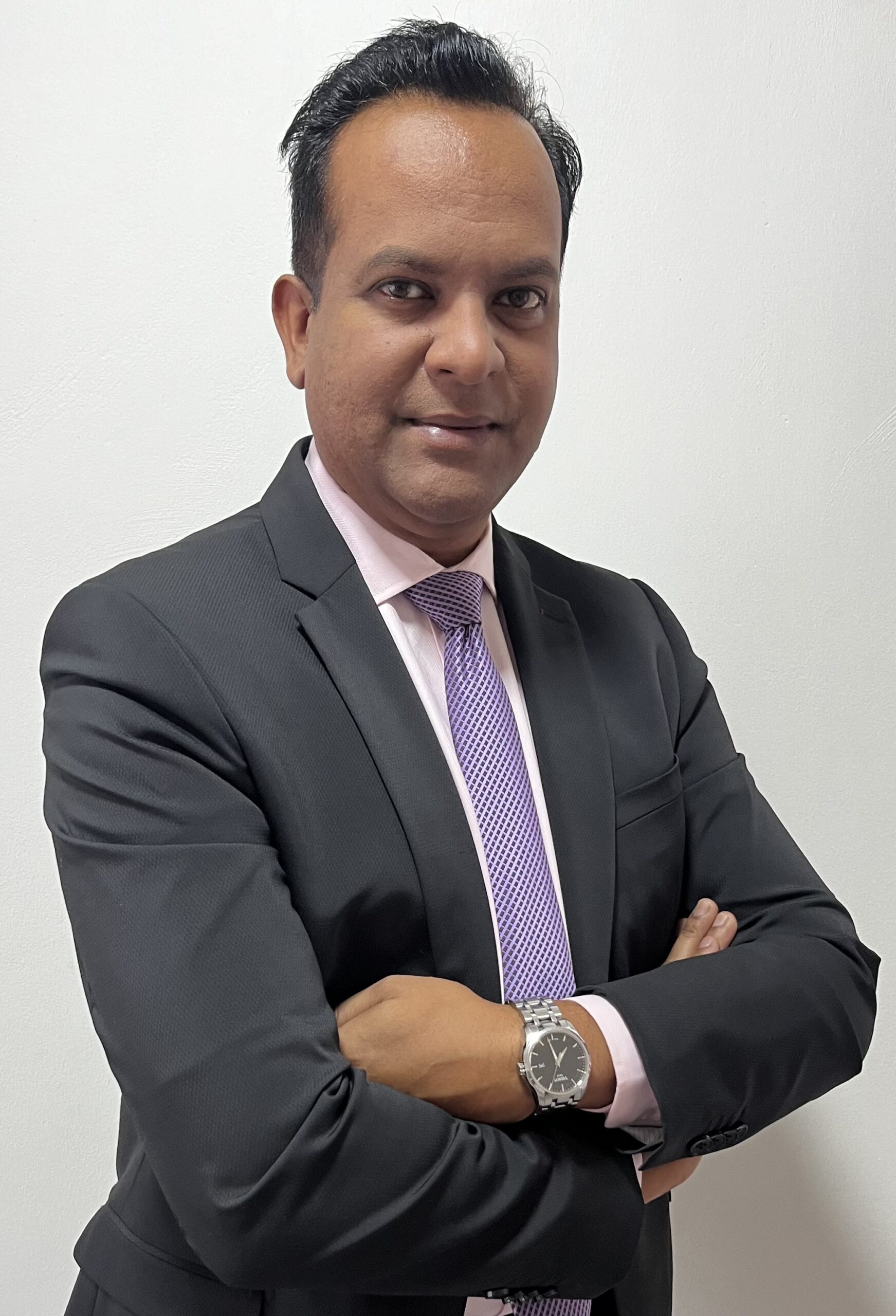
Prof. Dr. Kavi Kumar Khedo, University of Technology, Mauritius Prof. Kavi Kumar Khedo is the Deputy Director General of the University of Technology, Mauritius. Prof. Khedo has a PhD in Computer Science from the University of Mauritius and he has over 22 years of teaching and research experience. He has assumed the duties of Head of Department (4 years) and Dean of Faculty (3 years) at the Faculty of Information, Communication and Digital Technologies, University of Mauritius. Prof. Khedo is a senior member of the Institute of Electrical and Electronics Engineers (IEEE) and the Association for Computing Machinery (SMACM). He has led the Internet of Things Research Group and the Health Informatics Research Group of the University of Mauritius. He has successfully carried out, as principal investigator, several funded research projects in the fields of health informatics, precision agriculture, environment monitoring and context-aware mobile computing. Prof. Khedo was a research scholar at the University of Lancaster, UK and a Fulbright research scholar at the University of Massachusetts, USA. He has published over 100 research papers in renowned peer-reviewed journals and international conference proceedings. He has also served on numerous editorial boards and review panels of distinguished international journals such as IEEE Internet of Things Journal, IEEE Sensors, IEEE Transactions on Learning Technologies, SAGE Health Informatics Journal, IET Wireless Sensor Systems, SPRINGER Health and Technology Journal. Prof. Khedo has occupied several senior leadership positions at the University level and has developed extensive experience in the higher education sector both nationally and internationally. He has also been involved in different quality assurance activities of teaching, research and University administration including Quality audits, International Scrutiny Panel, Accreditation of Programmes, Strategic planning of HEIs and Review Panel for international HEIs. Title of Speech: Artificial Intelligence (AI) and the Future of Humanity: Insights and Perspectives
|
|
|
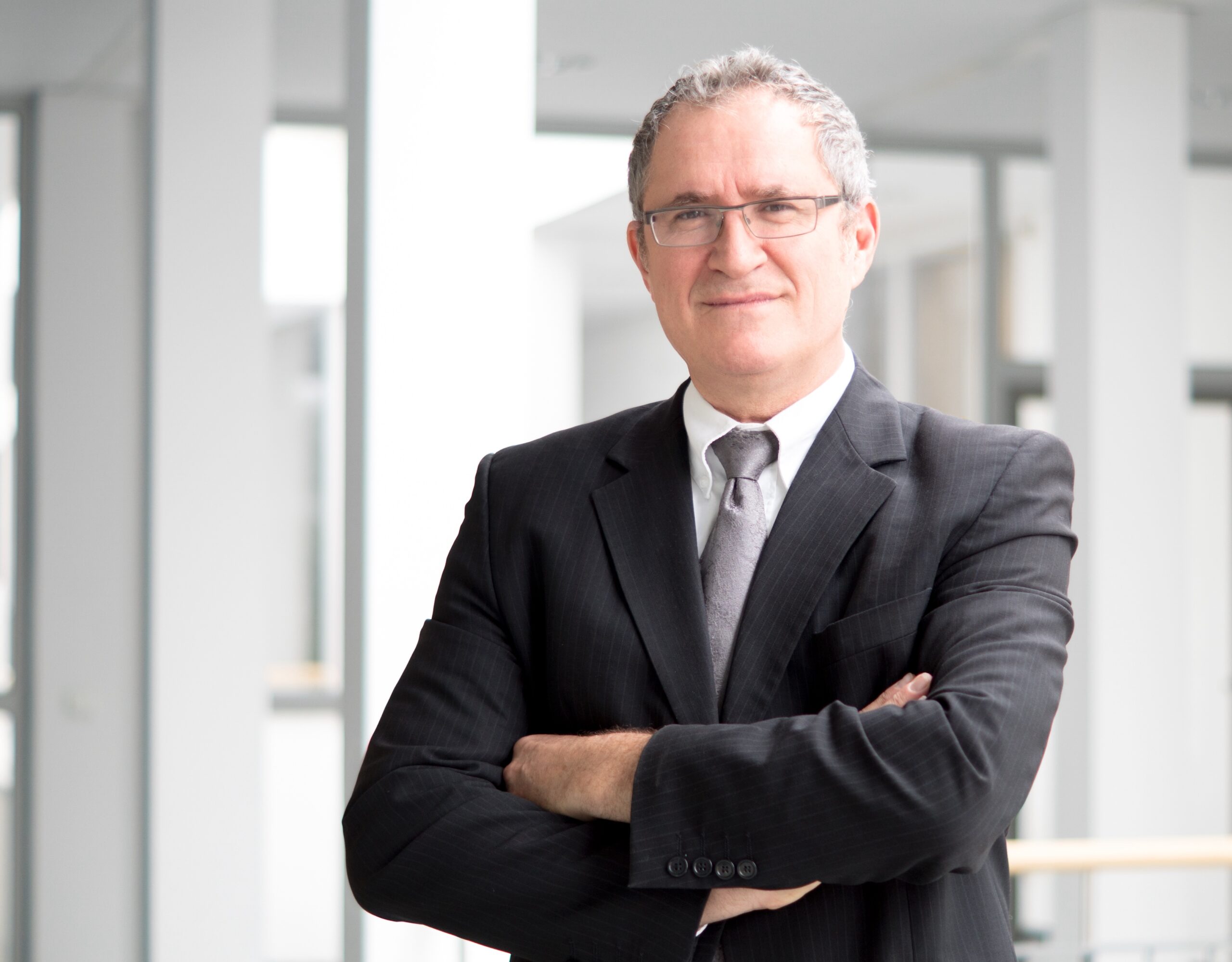
Prof. Dr.-Ing. Jorge Marx Gómez, University of Oldenburg, Germany Since 2006, Prof. Dr.-Ing. Jorge Marx Gómez is a Full Professor and the Head of the Chair of Business Information Systems (Very Large Business Applications) at University of Oldenburg (Germany). He is the Director of the Center for Transformation and Sustainable Futures (TRUST) at University of Oldenburg and a board member of the Energy Group at OFFIS-Institute (Oldenburg). Furthermore, he is the German speaker of the working group Environmental Management Information Systems in the association GI (German Informatics Society). In addition to the abovementioned positions, he is a board member of the Oldenburg Center for Sustainability Economics and Management – CENTOS (Oldenburg University) and a board member of the Open Source Business Alliance Group (OSB). Prof. Dr. Marx Gómez studied Computer Engineering and Industrial Engineering at the University of Applied Science in Berlin (Germany). He was a lecturer and researcher at the Otto-von-Guericke-University Magdeburg (Germany), where he also obtained a PhD degree in Business Information Systems in 2001. From 2002 until 2003, he was a visiting professor for Business Informatics at the Technical University of Clausthal (Germany) and worked as a guest lecturer in different countries. In 2004, he received his postdoctoral lecture qualification (Habilitation) at the Otto-von-Guericke-University Magdeburg. Prof. Dr. Marx Gómez’s research interests include business information systems, federated ERP systems, software technology, business intelligence, data science, deep learning, interoperability, environmental management information systems, ICT for sustainability, and e- and mobile commerce. Prof. Dr. Jorge Marx Gómez successfully coordinated several noteworthy national and international research (BMBF, BMWK, BMEL, BMZ), capacity building and mobility projects (Tempus, Erasmus Mundus, Erasmus+, DAAD), and coordinated and participated in several EU-FP7 and EU-Horizon projects. Prof. Dr. Marx Gómez is the main academic coordinator and grant holder of the GIZ/DAAD-funded project dSkills@EA – CENIT@EA: Digital Skills for an Innovative East African Industry (Center of Excellence on ICT for East Africa).. Title of Speech: Tax Defense Analytics
|
|
|
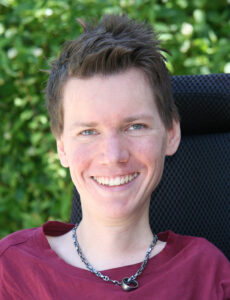
Prof. Dr. Wolfram Wingerath, University of Oldenburg, Germany Wolfram “Wolle” Wingerath is junior professor for data science at the University of Oldenburg, Germany. Wolle did his PhD on real-time databases at the University of Hamburg in 2019, before he was responsible for all matters relating to the analysis and continuous processing of data as head of data engineering and research at the company Baqend. Having used speech recognition tools for software development since 2011, Wolle has more than a decade of experience in the context of Handsfree Coding. With the eponymous GI initiative (handsfree-coding.gi.de), he aims to increase the visibility of hands-free coding within the computer science community and establish it as a means to increase efficiency as well as reduce barriers. Since Wolle likes to meet new faces and is always keen to exchange ideas with others, he is a regular speaker at developer and research conferences to present the things he is passionate about. What You Say is What You Get: Hands-Free Coding in 2025 Software for interpreting and synthesizing natural language is used by millions of people every day who use smart home assistants or simply prefer dictating over typing on their mobile phones. But while hands-free interfaces have found widespread adoption among consumers, IT professionals still mostly consider them gimmicks or do not consider them at all for the purpose of software development – unjustly so! In this presentation, you will learn how to talk your computer into writing good software. We will start with basic controls and navigation before addressing how to code using just your voice (and eyes and facial expressions and more!), covering best practices and common pitfalls along the way. I will then share my personal experiences as a user, but also relate them to ongoing research and current developments in the industry. The talk will close with recommendations for getting started and a zero-cost setup for hands-free coding that you can use right away. |
|